
Thermage skin tightening near Hongdae: Understanding the treatment
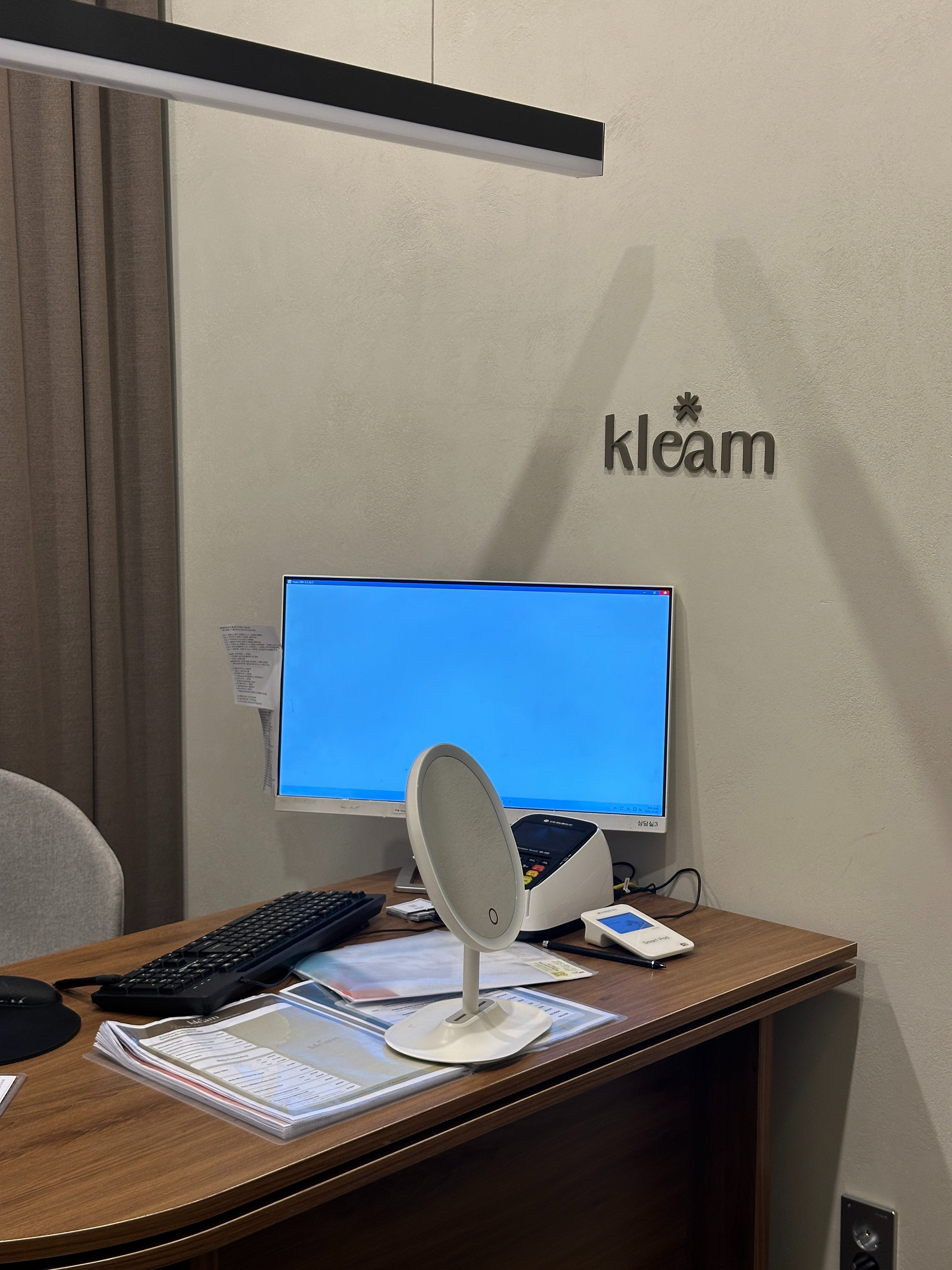
Thermage is a noninvasive radiofrequency treatment used to address concerns about skin laxity. It delivers controlled heat into tissue beneath the skin’s surface, with the aim of stimulating collagen remodeling. People often explore it when they notice changes in facial contours or skin firmness. A consultation is the starting point for deciding whether this approach matches your concerns and medical history. Kleam clinic in Hongdae offers lifting treatments and dermatology care; ask the medical staff about Thermage availability when arranging a visit.
How radiofrequency treatment works
Radiofrequency energy produces heat in the tissue beneath the skin. In a Thermage procedure, a treatment handpiece delivers that energy through the skin’s surface while a cooling system helps protect the outer layer. The heat initiates a tissue response that can include collagen remodeling over time. Collagen is a structural protein that contributes to the skin’s support. The treatment does not involve surgical incisions, although individual experiences during and after a session can differ.
It is useful to distinguish the treatment mechanism from the outcome a person hopes to see. Heating tissue is part of the procedure; the degree of visible change depends on factors such as skin condition, the area treated, and individual response. A doctor can assess whether the concern is primarily loose skin or whether other factors, such as changes in facial volume, also contribute. That distinction matters because skin tightening and volume restoration address different issues. During a consultation, describe the specific area that concerns you and whether you are looking for a subtle improvement in firmness or considering other approaches. Ask how the proposed treatment works, what it can reasonably address, and what a realistic assessment of your skin would involve. Changes may take time, depending on individual condition.
Thermage uses radiofrequency heat to encourage changes in the skin’s supporting tissue. The most useful consultation begins with a clear discussion of the concern, rather than an assumption that every change in facial contour has the same cause.
Areas and concerns to discuss
People considering skin tightening often focus on areas where they have noticed a change in firmness or contour. These concerns can include the face, jawline, or neck. Kleam clinic in Hongdae provides guidance on concerns such as sagging skin, facial contour, and neck lines. The appropriate treatment area and approach should be assessed individually. A concern in one area does not automatically mean that the same procedure is suitable for another.
Before your visit, look at the area that bothers you and consider what you would like to change. For example, a person concerned about the jawline might notice loose skin, a change in contour, or both. Someone focused on the neck might be concerned about lines, sagging, or the way the skin feels. Explaining these details helps the doctor understand the reason for the consultation. It is also worth asking whether the proposed treatment is intended to address the surface of the skin, underlying laxity, or another feature. Kleam clinic in Hongdae lists lifting, skin boosters, and contouring filler among its services. These treatments have different purposes, so a recommendation should be based on the concern being assessed rather than the name of a procedure alone. Ask the doctor to explain why a particular option is being considered and what it is intended to address.
Setting realistic expectations
Noninvasive treatment is different from surgery, both in how it is performed and in the changes it can produce. Thermage is generally considered for skin firmness and laxity, but it should not be assumed to produce the same effect as a surgical lift. Results are individual, and a doctor’s assessment is important when deciding whether a nonsurgical approach is appropriate. Ask about the expected degree of change for your own skin, rather than relying on a general description of the treatment.
Visible changes may develop gradually as tissue responds to treatment. A consultation can help you understand how progress would be assessed and whether another approach may better address your concern. Photographs taken under consistent conditions can also be useful when discussing changes with the doctor. The goal is a clear understanding of what a treatment is designed to do, not a promise of a particular appearance.
Consider your preferences alongside the clinical assessment. Some people prioritize a procedure without incisions, while others want to understand the full range of options for a particular concern. Ask about the treatment process, comfort, recovery, and follow-up before making a decision. A well-informed choice takes account of both the potential benefits and the limitations discussed with the doctor.
Thermage skin tightening near Hongdae: Planning a consultation
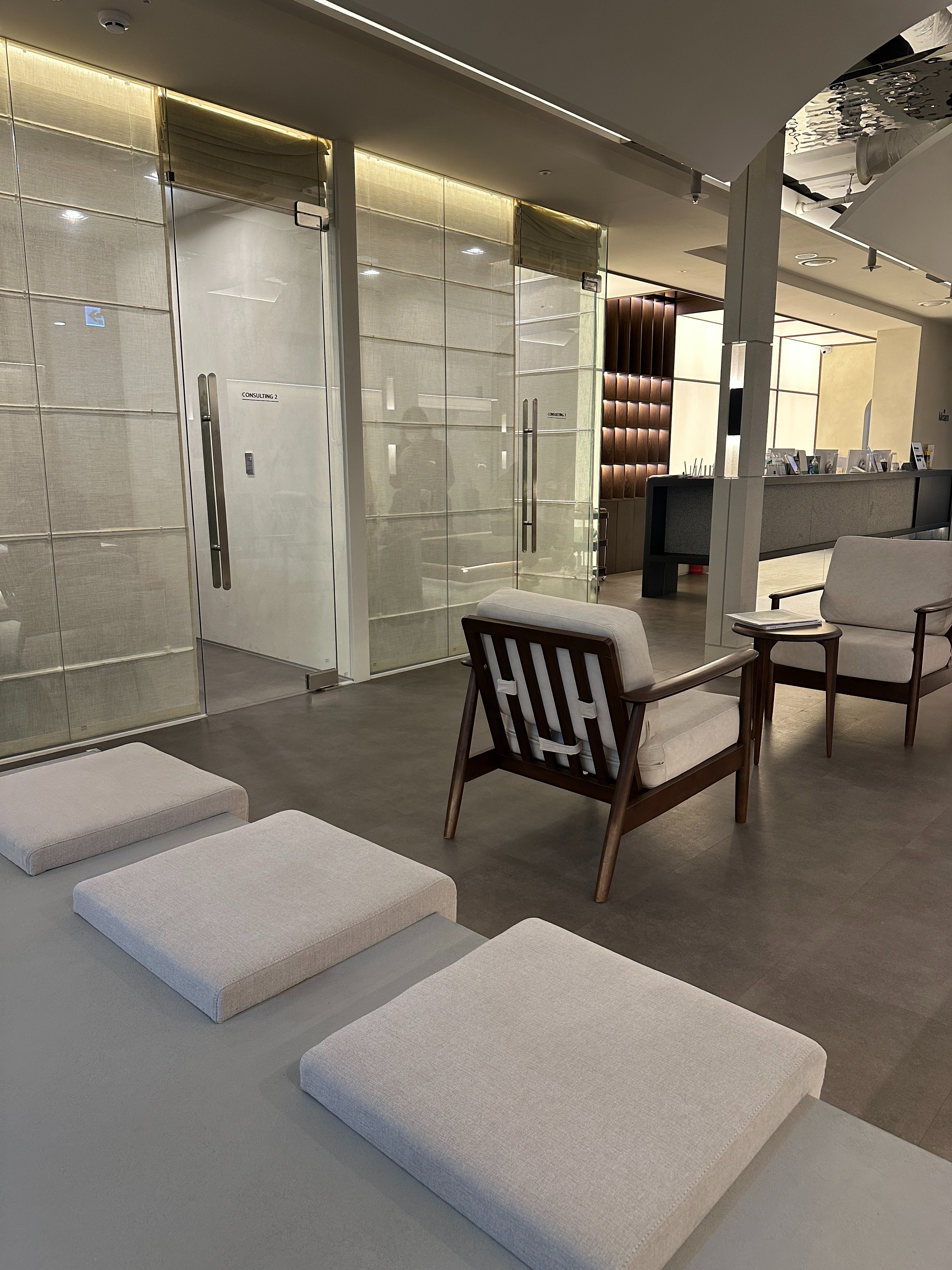
A useful consultation connects your goals with an assessment of your skin and health history. Kleam clinic in Hongdae offers dermatology services that address concerns including sagging skin, facial contour, pigmentation, and skin texture. If you are interested in Thermage, ask whether it is available and whether it is appropriate for the area you want to treat. Availability and suitability are separate questions: a treatment must be both offered and appropriate for your individual circumstances.
What to share with the medical staff
Tell the doctor about your medical history, current medications, and previous cosmetic procedures in the area you want assessed. Mention any implanted medical devices, as well as any skin irritation, infection, or recent injury in the treatment area. If you are pregnant or breastfeeding, raise that during the consultation. These details help the medical staff evaluate safety and determine whether treatment should be avoided, postponed, or adjusted.
Be specific about previous procedures when you can. The name of the treatment, the area involved, and any reactions you experienced can help the doctor understand your history. If you have had filler, injections, laser treatment, or another energy-based procedure, explain this before proceeding with a new treatment. Bring a list of medications and relevant health information if that makes it easier to discuss. You should also describe any tendency toward sensitivity or changes in skin pigmentation after irritation. The doctor can use this information alongside an examination of your skin to discuss potential risks and whether further precautions are needed. Do not stop prescribed medication on your own in preparation for a cosmetic procedure; ask the prescribing clinician or treating doctor for guidance. Accurate medical information is an important part of planning safe, individualized care.
A consultation should cover the treatment area, your medical history, and the outcome you hope to achieve. Sharing prior procedures and health information gives the doctor a better basis for discussing suitability and precautions.
Questions about the procedure
Ask the doctor how the proposed treatment is performed and what you may feel during the session. Radiofrequency treatments can involve sensations of heat or discomfort, and individual tolerance differs. It is reasonable to ask how comfort is managed, how the skin is protected, and what you should report during treatment. If you have questions about the device or the area being treated, raise them before giving consent.
Practical questions can make the decision clearer. Ask whether any preparation is needed, how long to allow for the visit, and what activities or skin-care products should be avoided afterward. Discuss the expected follow-up plan and how to contact the medical staff if you have a concern after treatment. If another procedure is suggested, ask how its purpose differs from skin tightening and whether it would be performed separately or as part of a plan. You can also request an explanation of the proposed cost before deciding. Do not assume that information about an injection procedure applies to Thermage: the techniques are different, and timing and aftercare should be discussed for the treatment you actually receive. Make sure you understand the recommendation and have had an opportunity to ask questions before proceeding.
Comparing treatment approaches
Kleam clinic in Hongdae lists lifting, contouring filler, skin boosters, and skin care among its services. These options are not interchangeable. A lifting treatment is intended to address concerns related to firmness or sagging, while filler and skin boosters are used for different cosmetic purposes. The doctor can explain which concern each option is intended to address and whether it is relevant to your assessment.
Some people notice more than one concern at the same time, such as laxity alongside changes in facial volume or skin texture. That does not necessarily mean that multiple procedures are needed. Ask the doctor to identify the main concern first, then explain the choices available and the reasons for a recommendation. This approach can make it easier to compare treatments without treating them as equivalent.
If a combination of treatments is discussed, ask about the purpose and timing of each one. Previous procedures, your skin condition, and your preferences can all affect the plan. You should also understand the expected care after each treatment, since instructions for injections, radiofrequency treatment, and other procedures may differ. The decision should be based on an individual assessment and informed consent.
Thermage skin tightening near Hongdae: Aftercare and practical considerations
Aftercare starts with understanding what to expect and when to seek advice. Following radiofrequency treatment, some people experience temporary redness, swelling, or tenderness. Less common complications can include burns, blistering, changes in skin pigmentation, or changes in skin sensation. Ask the treating doctor for instructions tailored to your procedure and skin. Contact the medical staff promptly if a reaction is severe, worsening, or concerning.
Points to consider before treatment
Discuss potential benefits and risks before deciding on a procedure. The doctor should assess the treatment area and explain any factors that could affect suitability, including implanted devices, current skin problems, and prior procedures. Ask what sensations are expected during treatment and what signs afterward would require medical attention. This conversation is also the time to discuss how the clinic handles questions or concerns following a visit.
Radiofrequency treatment is noninvasive, but noninvasive does not mean risk-free. Heat must be delivered carefully, and reactions can differ between individuals. Temporary redness or swelling may occur; more serious skin injury is less common but should be discussed as part of informed consent. If you notice blistering, significant pain, or another unexpected change after treatment, contact the medical staff rather than trying to manage it solely with cosmetic products. The doctor can advise you on the appropriate next step. Before the procedure, ask whether your medical history or recent treatments affect the timing or suitability of treatment. It is also reasonable to ask what alternatives may be considered if radiofrequency treatment is not appropriate for you. A clear explanation of benefits, limitations, and risks supports a decision that fits your circumstances.
Radiofrequency treatment can involve temporary skin reactions, and more serious complications should be discussed before consent. Individual assessment and clear aftercare instructions are important parts of the treatment plan.
Caring for your skin afterward
Follow the instructions given by the treating doctor, including guidance on cleansing, skin-care products, and sun protection. Skin may feel sensitive after a procedure, so ask when it is appropriate to resume your usual routine. Avoid applying a product to irritated skin simply because it is part of your normal regimen; check with the medical staff if you are unsure whether it is suitable.
Aftercare is not a substitute for medical advice. If you receive treatment, the instructions should reflect the procedure performed and how your skin responds. Ask what changes are expected, how long to monitor them, and who to contact if you are concerned. Protecting skin from sun exposure is a useful general skin-care habit, but your doctor can give you specific advice about products and activities after treatment. If other procedures are part of your plan, ask for separate instructions where needed. For example, care following an injection may differ from care following an energy-based treatment. Keep any written guidance accessible, and report an unexpected reaction rather than waiting for a routine follow-up. A simple, clearly explained routine can help you avoid unnecessary irritation while your skin settles.
Preparing for a visit
Bring a concise list of your concerns, relevant medical history, medications, and prior cosmetic treatments. Note any questions about availability, suitability, treatment steps, cost, and follow-up. If you use photographs to describe a change, choose images that show the area clearly. These preparations can make the conversation more focused and help the doctor understand what you want to discuss.
Kleam clinic in Hongdae is open on weekdays from 10:30 a.m. to 8:30 p.m. and on weekends from 10:30 a.m. to 5:00 p.m., with no lunch break. When planning your visit, allow time for the consultation as well as any treatment you choose to discuss. Ask about the appointment process and treatment availability before making arrangements.
A consultation is an opportunity to learn, not an obligation to proceed. Review the recommendation, ask about anything that remains unclear, and consider whether the proposed approach matches your goals. If you decide to have treatment, make sure you understand the consent information and aftercare plan. The most useful next step is a discussion with the medical staff about your own skin and priorities.



Frequently Asked Questions
Q.What does Kleam clinic in Hongdae offer?
A.Kleam clinic in Hongdae offers dermatology services, including lifting treatments, contouring filler, skin boosters, pigmentation care, and skin care.
Q.Who might consider a consultation at Kleam clinic in Hongdae?
A.People with concerns about sagging skin, facial contour, neck lines, pigmentation, or skin texture can discuss those concerns with the medical staff.
Q.What treatment options can I discuss?
A.Kleam clinic in Hongdae lists lifting treatments, contouring filler, and skin boosters. Ask the medical staff which options are appropriate for your concern and whether Thermage is available.
Q.What should I prepare before my visit?
A.Bring details of your medical history, medications, and previous cosmetic procedures, along with any questions about your skin concerns and treatment options.
Q.Where is Kleam clinic in Hongdae, and how can I contact the clinic?
A.The address is L7 Hongdae by LOTTE, 3rd Floor, 141 Yanghwa-ro, Mapo-gu, Seoul, Republic of Korea. Call +82 10-7368-4441 to ask about a consultation.
Clinic Information
| Clinic | Kleam clinic in Hongdae |
|---|---|
| Specialty | Dermatology |
| Address | L7 Hongdae by LOTTE 3rd Floor, 141 Yanghwa-ro, Mapo-gu, Seoul, Republic of Korea |
| Phone | +82 10-7368-4441 |
| Website | https://eng.kleam.kr/ |
 Kleam clinic in Hongdae